
 By admin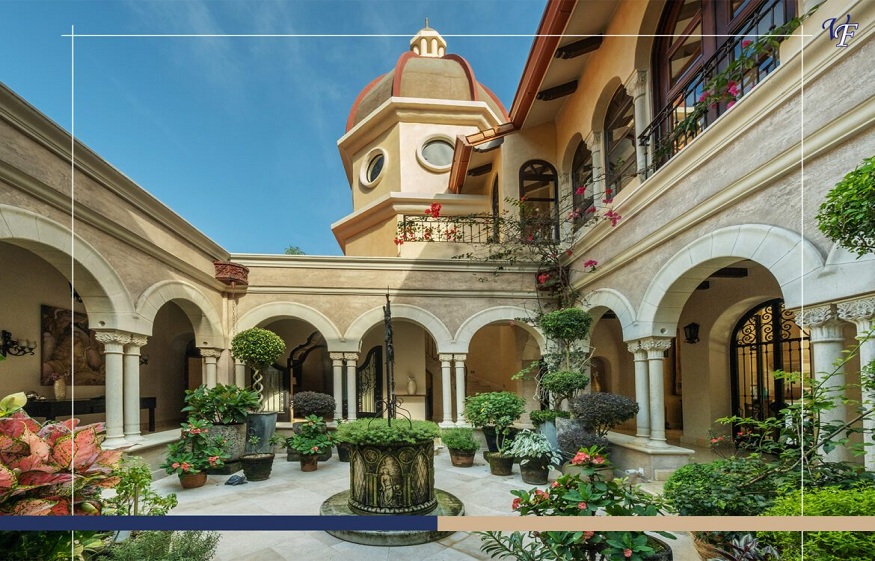
Luxury villas are not just about where you stay. They are about how the space makes you feel from the moment you walk in.
In Costa Rica, architecture plays a bigger role than most travelers expect. It is not just visual. It shapes privacy, airflow, light, and how the day unfolds inside the villa.
The best luxury villas in Costa Rica are not built around trends. They are designed around environment, culture, and experience.
Here is a closer look at the architectural styles that define them, and why they work so well.
Mediterranean Influence with Tropical Adaptation
One of the most recognizable styles in Costa Rica’s high-end villas comes from Mediterranean design.
You will notice arched walkways, terracotta tones, symmetrical layouts, and central courtyards. These elements bring a sense of structure and calm.
Read More: The Epitome of Bespoke Luxur
But in Costa Rica, this style is adapted.
Open-air layouts replace enclosed corridors. Materials are chosen for humidity and heat. Spaces are designed to breathe.
The architecture of Villa Firenze is a strong example of this blend. Inspired by Italian design, yet fully adapted to a tropical environment, it creates a space that feels elegant without feeling out of place.
This balance is what makes the style work.
Open-Plan Tropical Modernism
Modern villas in Costa Rica often lean toward open-plan design reflected from large glass panels, minimal barriers, and a strong connection between indoor and outdoor spaces.
This approach focuses on flow.
You move from living areas to outdoor spaces without disruption. Light enters naturally, air circulates easily, and everything flows like thin air.
At high-end properties, this is done without compromising privacy. Strategic placement of walls, landscaping, and elevation ensures that openness does not lead to exposure.
Many luxury villas in Costa Rica use this style to create a sense of freedom while maintaining control over the environment.
Hacienda-Style Architecture with Contemporary Updates
Hacienda-style villas bring a more grounded, traditional feel, featuring thick walls, wooden beams, tiled roofs, and shaded verandas. This style is rooted in Spanish colonial architecture, but it has evolved.
Modern versions incorporate updated materials, improved layouts, and better integration with the surrounding landscape.
At Villa Firenze, elements of this style are visible in the structural detailing and use of natural materials. It adds warmth and character without feeling dated.
Read More: Why Costa Rica is a Celebrity
The result is a space that feels established, not manufactured.
Indoor-Outdoor Integration as a Aore Principle
In Costa Rica, architecture is not about separating indoors from outdoors. It is about connecting them.
This shows up in multiple ways. Sliding doors that open entire walls. Covered outdoor lounges that feel like extensions of the living room. Pools positioned as central design elements rather than add-ons. And, there is much more to witness and explore.
This integration changes how the villa is experienced.
You are not confined to one type of space. The environment becomes part of the architecture.
In the architecture of Villa Firenze, this connection is carefully managed and represented. Outdoor spaces are accessible, but still feel controlled and private.
That balance is key.
Courtyard-Centered Layouts for Privacy and Flow
Courtyards are a defining feature in many high-end villas. They serve multiple purposes.
They create a central gathering space. They allow natural light to reach different parts of the villa. They improve airflow. More importantly, they enhance privacy.
Rooms are arranged around the courtyard, reducing direct exposure to external views. Movement happens inward rather than outward.
At Villa Firenze, the central courtyard is not just decorative. It is functional. It organizes the space and creates a natural flow between different areas.
This is where design meets practicality.
Material Choices that Reflect the Environment
Luxury architecture in Costa Rica pays close attention to materials. Natural stone, wood, and locally sourced elements are commonly used.
These materials are not chosen only for aesthetics. They perform well in the climate, they age naturally, and they require less maintenance. They also create a connection to the surroundings.
At Villa Firenze, material selection plays a significant role in defining the overall look and feel. It adds texture, depth, and authenticity.
This is where the history of Villa Firenze becomes relevant. The design reflects a blend of cultural influences and local adaptation.
It feels intentional, not imported.
Elevation and Positioning for Views and Ventilation
Top-tier villas are positioned with precision.
Elevation is used to capture views, improve airflow, and create natural separation from surrounding properties.
This enhances both comfort and privacy.
In many luxury villas in Costa Rica, you will notice how the property sits within the landscape rather than on top of it.
At Villa Firenze, positioning allows for open views without compromising privacy. You get the visual benefit without exposure.
That is a design decision, not a coincidence.
Symmetry and Proportion in High-End Design
Luxury architecture often relies on balance. Symmetry, proportion, and alignment create a sense of order. You may not notice it immediately, but you feel it.
Spaces feel calm. Movement feels intuitive. Nothing feels out of place.
The architecture of Villa Firenze effectively uses these principles. Layout, spacing, and visual alignment work together to create a cohesive experience.
It is subtle, but it defines the overall impression.
Designing for Experience, Not Just Appearance
The best villas are not designed to look good in photos. They are designed to work in real life.
How light changes throughout the day. How spaces are used at different times. How guests move through the property.
These factors influence every design decision.
At Villa Firenze, the layout supports a natural rhythm. Morning light in certain areas. Evening comfort in others. Spaces that adapt to different activities.
This is where architecture becomes part of the experience.
Why Architecture Matters More Than You Think
Most travelers focus on amenities… pools, rooms, and services.
Architecture sits quietly in the background, shaping everything. It affects comfort, privacy, and how easily you settle into the space.
At a luxury villa rental in Costa Rica, good architecture removes friction. You do not notice it working. You just feel the result.
That is what sets high-end villas apart from standard properties.
What Sets Villa Firenze Apart
Not every villa achieves this level of design consistency. What sets Villa Firenze apart is how architecture, environment, and experience align.
The architecture and history of Villa Firenze reflect a thoughtful approach to design, blending Mediterranean influence with tropical adaptation.
Combined with the expectations of all-inclusive villas in Costa Rica, the result is a space that feels complete.
Nothing feels forced. Everything feels considered.
Final Thoughts
Architecture is not just about structure. It is about how a space works, feels, and evolves throughout your stay.
The best luxury villas in Costa Rica understand this. They are designed for comfort, privacy, and a seamless connection to the environment.
And when it is done right, you do not think about the design at all.
You simply enjoy the space.